Thank You for an Amazing Year
 This month marks my one year anniversary at Integrated Health Connections, and I wanted to take a moment to say thank you to the clients who welcomed me into the practice over the past year. Thank you for allowing me to be part of your healthcare. I am grateful for all the support and kindness I have received here.
I also want to sincerely thank the clients who followed me from previous clinics. Your continued trust and loyalty mean more to me than I can easily put into words. Knowing that you chose to continue your care with me made this transition not only easier, but incredibly rewarding.
This past year has been a wonderful one. It has been filled with growth, learning, and the opportunity to work with many wonderful people. Being part of a collaborative, supportive clinic environment has made it even more meaningful.
Looking ahead, I am excited to share that I will be introducing cupping therapy and extending my hours in the near future. These additions will allow me to better support clients dealing with pain, tension, and movement restrictions.
The next year is shaping up to be even better, and I am truly looking forward to continuing this work with you.
Your support means the world.
Tianna Rice, RMT
Why Balance Is a Skill (And How Your Spine Supports It)
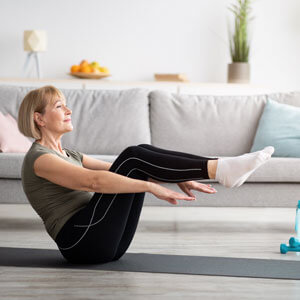
 Whether you’re walking on uneven ground, reaching overhead, or turning quickly, your body constantly adjusts to keep you upright. That coordination depends on communication between your eyes, inner ear, joints, and nervous system. Your spine plays a central role in that process.
Spinal joints provide feedback to your brain about where your body is in space. When those joints move well, signals travel clearly. When motion is restricted, that feedback can become less precise. Other areas may compensate, making balance feel slightly off or less steady.
This isn’t just important for athletes. Balance supports everyday confidence — climbing stairs, stepping off curbs, or carrying groceries. As we age, maintaining balance becomes even more valuable. Improving joint mobility, posture awareness, and core stability all contribute to steadiness.
If you’ve noticed subtle changes in coordination or feel less stable than you used to, your spine may be part of the conversation.
The Hidden Impact of Long Commutes on Your Spine
 When you sit in a car, your hips stay flexed, your low back absorbs vibration from the road, and your head subtly shifts forward to focus on traffic. Add in gripping the steering wheel & sitting slightly rotated toward pedals, and you have a position your body holds for extended periods.
Over time, this can contribute to hip tightness, low back stiffness, and upper neck tension. Because movement is minimal, the supporting muscles may fatigue from holding you upright rather than actively moving.
Another factor? Road vibration. It travels through the seat into your spine. While subtle, repeated exposure can contribute to joint irritation — especially if mobility is already limited.
Adjustments like seat position, lumbar support, and posture awareness help. So does restoring movement after long drives. Spinal checks can also help ensure small restrictions don’t become bigger issues.